
 Skip to content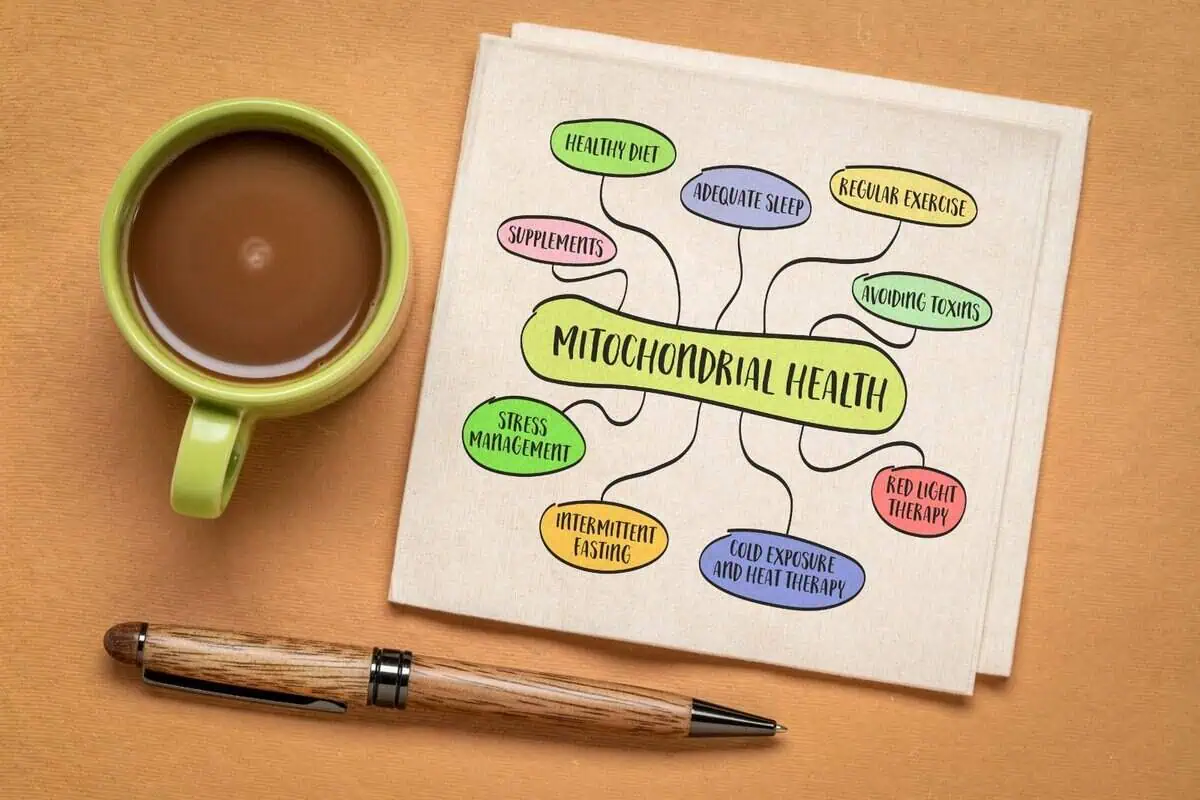
Medically reviewed by Dr. Lauren Weber, MSCP, ABOM.
Feeling constantly tired, unfocused, or burned out might not just be “stress.” It could be your cells struggling to keep up. Inside most cells are mitochondria, the microscopic powerhouses that produce the energy your body depends on. When stress piles up or sleep is lacking, these powerhouses weaken, and your body starts to feel the consequences.
At Deeply Vital Medical, we recognize that energy, resilience, and vitality start at the cellular level. Knowing how stress and sleep shape mitochondrial health can help you see why light-based treatments, like Red Light Therapy, are gaining attention for assisting people to feel recharged from within.
Stress may feel like a mental or emotional experience, but biologically, it’s a cellular event. Each time your body perceives stress, whether from work, emotions, or physical strain, it releases cortisol and adrenaline. These hormones prepare you for quick action, but over time, they contribute to oxidative stress.
According to a 2023 study in Frontiers in Physiology, chronic stress elevates reactive oxygen species (ROS), damaging mitochondrial membranes and impairing energy production. This mitochondrial stress fuels inflammation and fatigue over time.
When ROS levels exceed your body’s antioxidant defenses, these unstable molecules harm mitochondrial proteins and DNA, weakening their ability to produce ATP, the energy molecule behind everything from brain activity to muscle contraction.
As mitochondrial function declines, so does energy, focus, and recovery. Chronic stress can create a ripple effect of inflammation, slower metabolism, and lasting exhaustion that rest alone can’t fix.
Sleep isn’t just rest for your mind; it’s the most essential time for your mitochondria to repair and regenerate. During deep sleep, your cells remove damaged components and restore balance. Without adequate rest, this process stalls, and damaged mitochondria start to accumulate.
A 2024 study published in Cellular and Molecular Neurobiology stated that chronic sleep deprivation leads to mitochondrial dysfunction, including reduced membrane potential, lower cytochrome c oxidase activity, and decreased ATP production. In simpler terms, your cells can’t make enough fuel, leaving you running on empty.
Poor sleep also raises cortisol levels, worsening the damage from stress. If you’ve ever felt wired but exhausted after a sleepless night, that’s your mitochondria struggling to supply your energy needs, and that’s exactly where photobiomodulation helps recharge your cellular batteries.
Stress makes it hard to sleep, and poor sleep increases stress. It’s a cycle that quietly wears down your cells. Over time, the combination can leave your body in a constant “energy debt,” where mitochondria can’t keep up with daily demands.
When this cycle continues unchecked, you may notice:
Breaking this pattern requires more than caffeine or quick fixes. It’s about supporting your mitochondria’s ability to repair and produce energy efficiently again.
Red and Near-Infrared Light Therapy, also known as photobiomodulation, is one of the most promising tools for cellular rejuvenation.
By exposing the body to specific wavelengths of light, typically between 600 and 1100 nanometers, this therapy directly stimulates mitochondria. Inside your cells, an enzyme called cytochrome c oxidase absorbs this light energy. This reaction helps the mitochondria process oxygen more efficiently, increasing ATP production and improving overall cell performance. It helps improve mitochondrial function naturally by giving your cells the energy boost they need to recover and thrive.
A 2022 study published on the National Institutes of Health website stated that Red and Near-Infrared Light can activate cytochrome c oxidase, improving mitochondrial redox balance and ATP production, particularly in aging brain tissue.
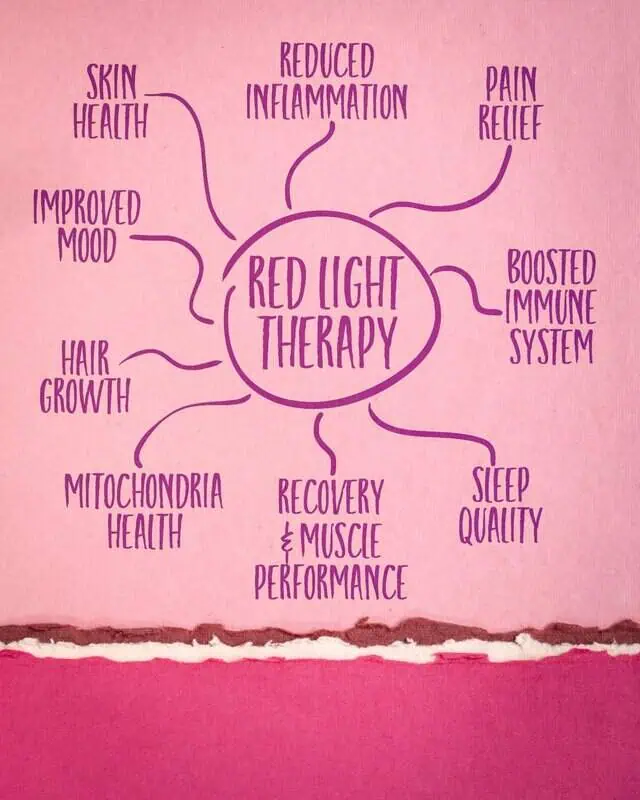
When used consistently, this form of mitochondrial support therapy can:
For individuals experiencing exhaustion, burnout, or age-related slowdowns, these light treatments offer gentle yet effective cellular support that complements healthy sleep and stress-management habits.
It’s not just about energy; Red Light also affects longevity and appearance. As we age, mitochondrial efficiency naturally declines, partly why skin loses elasticity, and energy levels drop. Optimal-aging Red Light Therapy helps reverse some of these cellular slowdowns by improving circulation, stimulating collagen production, and supporting healthier mitochondria in skin and muscle cells.
This study by Virginie Couturaud, Marie Le Fur, and Michele Pelletier (2023) found that using Red LED Light at ~630 nm twice weekly over three months significantly improved skin firmness, dermal density, and wrinkle depth in healthy women. That’s why so many people report not only feeling more energized but also looking refreshed and radiant after consistent sessions.
Modern life doesn’t often allow for perfect sleep or stress-free living. Between long work hours, blue-light exposure, and chronic multitasking, fatigue is common. Red Light Therapy can help bridge that gap. Studies have found that Red Light Therapy for fatigue may improve mood, alertness, and exercise recovery. When your mitochondria perform better, your entire body becomes more resilient to daily challenges. The therapy also promotes better oxygen utilization, which enhances endurance and mental clarity, two things that tend to fade when stress and sleep deprivation take over.
A 2022 study published in the journal Frontiers in Network Physiology, led by Mark Butler and colleagues, found that participants who underwent personalized virtual Light-Therapy interventions experienced significant reductions in daily fatigue and improvements in alertness compared with usual care.
While Red Light Therapy is powerful, it’s most effective when combined with healthy daily routines. To truly optimize your mitochondrial function:
When these lifestyle factors align with Red Light treatments, your body can begin rebuilding energy from the inside out.
At Deeply Vital Medical, we take a holistic approach to restoring mitochondrial health in New York, NY. Dr. Lauren Weber understands that fatigue, stress, and premature aging often stem from the same source: cellular imbalance.
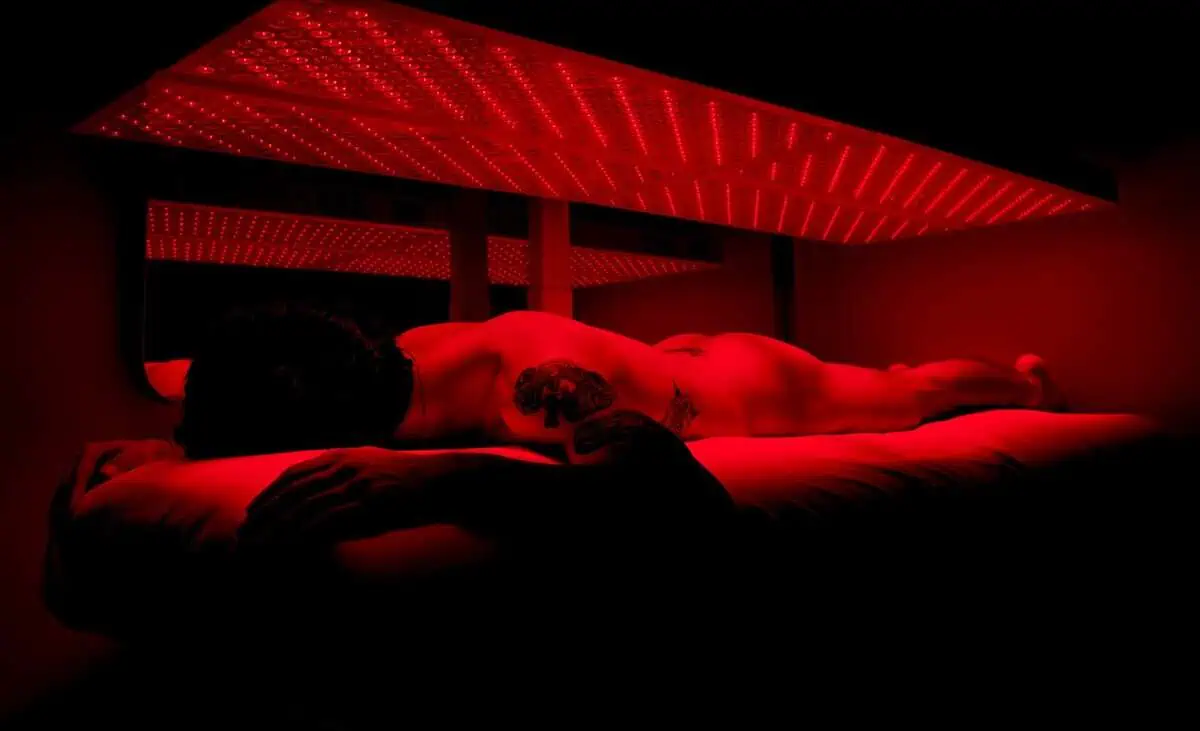
Our physician-directed, whole-body Red Light Therapy sessions are designed to promote mitochondrial recovery, boost energy metabolism, and support your overall wellness goals. Each treatment plan is tailored to your specific needs, whether you’re looking for more energy, better sleep, or improved skin vitality.
Your body has an incredible capacity to heal and regenerate when given the right environment. Red Light Therapy helps activate that process at the most fundamental level, the mitochondria.
Stress and sleep aren’t just surface-level concerns. They directly affect how your cells create energy and how your body feels each day. When mitochondrial function falters, so does your vitality, but with the right tools and guidance, you can restore balance.
Red Light Therapy offers a natural, science-backed way to revive energy, reduce fatigue, and support long-term cellular health. At Deeply Vital Medical, our goal is to help you feel renewed, focused, and deeply vital from the inside out.
If you’ve been feeling worn down or notice that your energy doesn’t bounce back the way it used to, it might be time to explore how Red Light Therapy can help your mitochondria, and you thrive again. Optimize Energy And Recovery – Book Now!